
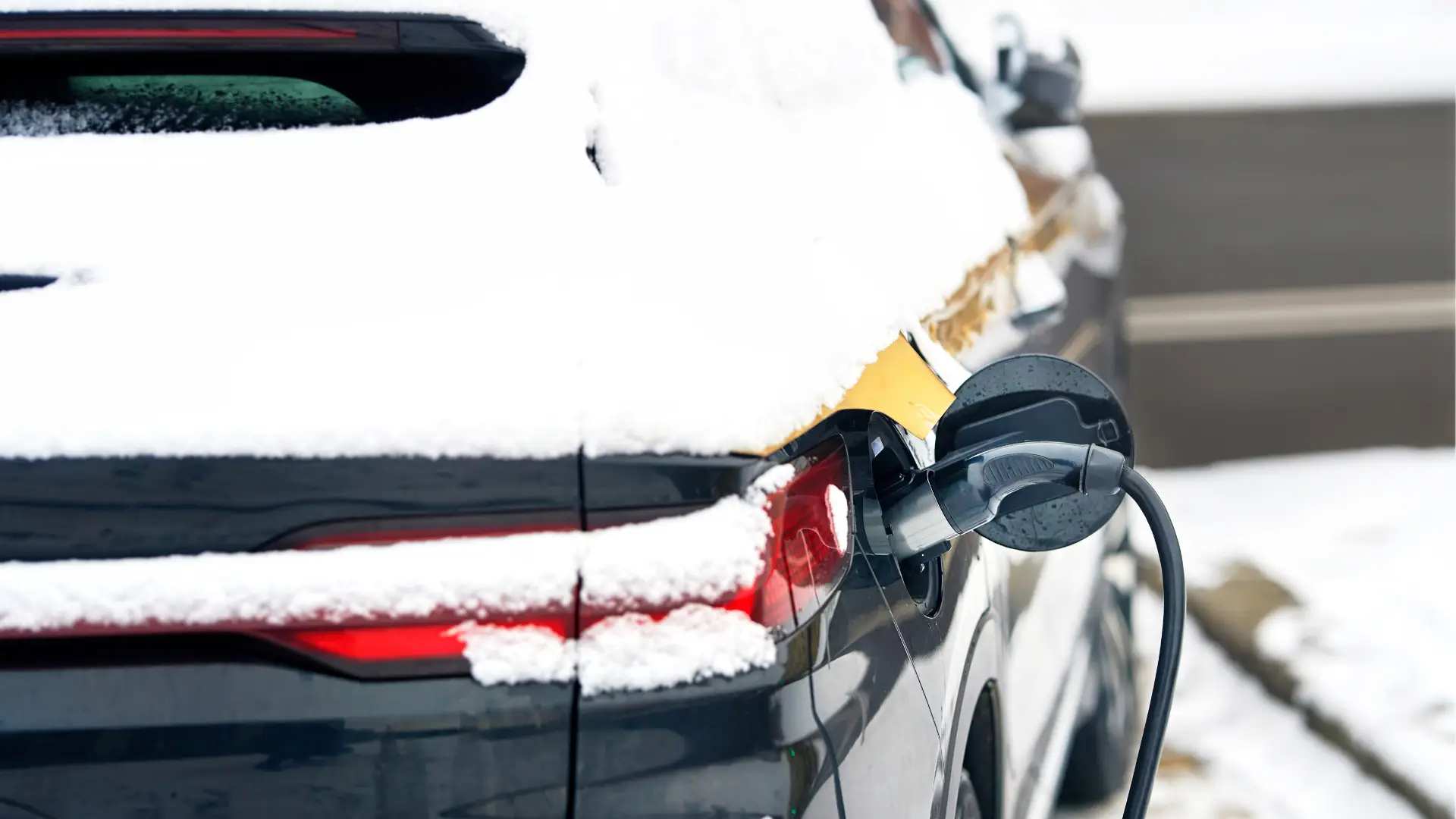
Electric vehicles need winter tires for the same basic reason other vehicles do: cold temperatures, snow, slush and ice reduce available grip. The more specific question is whether EV winter tires have to be labelled or marketed specifically for electric vehicles. Not always. The tire must first meet your EV manufacturer’s required size, load capacity, speed rating and other specifications, then provide the winter performance you need.
For Ontario drivers, the best choice balances winter traction with the extra demands an EV can place on its tires, including vehicle weight, instant torque, road noise and energy efficiency.
Do Electric Vehicles Need Winter Tires?
An EV’s electric drivetrain does not remove the need for cold-weather traction. Battery-electric vehicles, hybrids and gasoline vehicles all rely on the same four contact patches between the tires and the road when braking, steering and cornering.
Transport Canada recommends looking for the Three-Peak Mountain Snowflake symbol when buying winter tires. It also notes that all-season and summer tires begin to lose elasticity below about 7°C, while winter tires are designed to remain more flexible in colder conditions.
For an EV driver, that matters because the vehicle may be relatively heavy and capable of delivering strong torque immediately. Those characteristics make correct tire selection especially important on slippery roads. If your current set is not suited to sustained cold, compare Superior Tire & Auto’s winter tires before the fall changeover rush.
Do EVs Actually Need Special EV Winter Tires?
An EV does not automatically need a tire with an “EV” label on the sidewall. What matters is whether the tire is approved for the vehicle and meets the required specifications. Some tires are optimized with electric vehicles in mind. Depending on the product, that can include reinforced construction for higher loads, lower rolling resistance, tread compounds designed to manage torque and wear, or acoustic treatments intended to reduce road noise in a quiet EV cabin.
An EV label is secondary to fitment. Size, load index, speed rating and vehicle approval come first. Superior Tire & Auto’s guide to tires for electric cars provides additional information about EV tire construction, weight, range, noise and wear considerations.
Load Rating Is One of the Most Important Checks
EV battery packs can make electric vehicles heavier than comparable combustion-engine vehicles, but that does not mean every EV uses the same type of reinforced tire. Check the tire information placard on the driver’s door jamb and the owner’s manual. The replacement tire needs the correct size and enough load-carrying capacity for that specific vehicle. Some EVs use Extra Load, often marked XL, or another higher-load specification. Others may use a conventional tire size and load index.
Do not assume that “XL” automatically makes a tire right for your EV. A tire can have a higher load rating and still be the wrong size, speed rating or application. This is also why a winter package copied from a similar gasoline model may not be appropriate. Versions of the same vehicle can have different curb weights, wheel sizes, brake packages or tire requirements. Match the winter setup to the exact year, model and trim.
How Winter Tires Can Affect EV Range
Winter driving affects EV range for several reasons, and the tires are only one part of the picture. Cold batteries operate differently, cabin heating uses energy, denser cold air increases aerodynamic drag, and winter roads can add rolling resistance.
CAA’s real-world Canadian winter testing found substantial differences between official range figures and cold-weather driving range among the EVs tested. The amount varied significantly by vehicle and conditions.
Winter tires can add another efficiency consideration because their compounds and tread patterns are designed for cold-weather grip. Rolling resistance, tire pressure, wheel size and tire design can all influence how much energy the vehicle uses.
That does not mean an EV owner should prioritize efficiency over winter traction. Grip is the primary job of a winter tire. Compare suitable tires that meet the vehicle specifications first, then consider efficiency, noise and tread life among those options. For longer winter trips, leave more range buffer than you would in mild weather because temperature, speed, wind, snow buildup and cabin heating can all raise energy use.
Should You Buy Separate Winter Wheels for an EV?
A dedicated winter wheel set can simplify seasonal changeovers, but EV fitment needs to be checked carefully. Some owners consider a smaller wheel diameter for winter because a smaller wheel with a taller sidewall can sometimes reduce replacement cost and provide more sidewall protection around potholes. That option is vehicle-specific.
Before changing wheel size, confirm:
- wheel diameter and width
- bolt pattern and centre bore
- wheel offset
- brake and suspension clearance
- wheel load capacity
- approved tire size and load index
- TPMS compatibility
Do not assume that a wheel that physically bolts onto the hub is suitable. EV weight, brake size and load requirements can rule out wheels that appear to fit. If you are considering a dedicated winter package, compare Superior Tire & Auto’s winter wheel options and confirm the correct specifications for your vehicle before purchasing.
Tire Pressure and TPMS Matter in Cold Weather
Cold weather lowers tire pressure, and underinflation increases rolling resistance. On an EV, that can affect handling, tire wear and energy use at the same time. Check pressure when the tires are cold and use the pressure specified by the vehicle manufacturer on the door placard. Do not inflate to the maximum pressure printed on the tire sidewall.
A separate winter wheel set may need its own TPMS sensors. Depending on the vehicle, sensors may need to be programmed, relearned or recognized automatically after the changeover. Superior Tire & Auto provides TPMS service for sensor diagnosis, resets and seasonal tire and wheel changes.
EV Torque, Regenerative Braking and Tire Wear
Electric motors can deliver torque quickly, and repeated hard acceleration can increase tire wear. Winter roads add another reason to use smooth inputs. Progressive acceleration helps reduce wheelspin on low-grip surfaces. Smooth steering and earlier braking also give the tires more time to work within the available traction.
Regenerative braking can feel different on a slippery road because lifting off the accelerator may create noticeable deceleration. Follow the vehicle manufacturer’s winter-driving guidance, including any recommendations for snow, slippery-road or regeneration settings. Tire rotations matter too. Follow the rotation interval and pattern recommended for your EV and tire setup, and inspect the tread for uneven wear during seasonal changes.
When Should Ontario EV Drivers Install Winter Tires?
The timing is the same basic temperature decision used for other vehicles. Consider making the change when temperatures are consistently around 7°C or lower rather than waiting for the first major snowfall. Booking earlier also gives you time to solve fitment issues. An EV winter package may require a particular load-rated size, compatible wheels or TPMS sensors that become harder to source once the seasonal rush is underway.
Before installation, inspect stored winter tires for tread depth, cracking, bulges or uneven wear. Check the wheels for corrosion or damage and confirm that the tires still match the vehicle specifications.
How to Choose EV Winter Tires Without Overcomplicating It
Start with fitment and safety, then compare the characteristics that affect day-to-day ownership.
Use this order:
- Confirm the manufacturer-approved tire size or approved winter alternative.
- Match or exceed the required load index.
- Confirm any speed-rating requirements for the winter setup.
- Choose a tire designed for the winter conditions you regularly drive in.
- Look for the Three-Peak Mountain Snowflake symbol.
- Compare rolling resistance, road noise, tread life and price among suitable options.
- If buying wheels, confirm load capacity, brake clearance and TPMS compatibility.
A tire that meets the vehicle’s specifications and winter needs is a better choice than one selected only because it is marketed for EVs. The right winter tire for a compact EV used mainly in Toronto may not be the same choice as the right tire for a heavy electric SUV regularly travelling between the GTA and cottage country. Vehicle specifications and real driving conditions should lead the decision.
Frequently Asked Questions
Can I use regular winter tires on an electric vehicle?
Yes, many winter tires that are not marketed as EV-specific can be suitable for an electric vehicle if they meet the vehicle manufacturer’s size, load, speed and other requirements. Check the placard and owner’s manual rather than relying on the tire’s marketing category.
Do EV winter tires reduce driving range?
Winter tires can affect efficiency, but cold weather itself is a major reason EV range falls in winter. Choose a tire that provides the required winter grip and vehicle compatibility first, then compare rolling resistance among appropriate options.
Do EVs need XL winter tires?
Some EVs require Extra Load or another higher-load tire specification, but not every electric vehicle does. Use the required load index and specifications for your exact model instead of assuming all EVs need XL tires.
Can I downsize the wheels on my EV for winter?
Some EVs have manufacturer-approved smaller winter wheel and tire combinations, while others do not because of brake clearance, load capacity or other fitment limits. Confirm the approved combination for your exact year, model and trim before buying.
Why does my EV’s tire-pressure warning come on when it gets cold?
A temperature drop can lower tire pressure enough to trigger the TPMS warning even when there is no puncture. Check all four tires cold against the pressure listed on the vehicle placard, and have a tire inspected if it continues to lose pressure.