
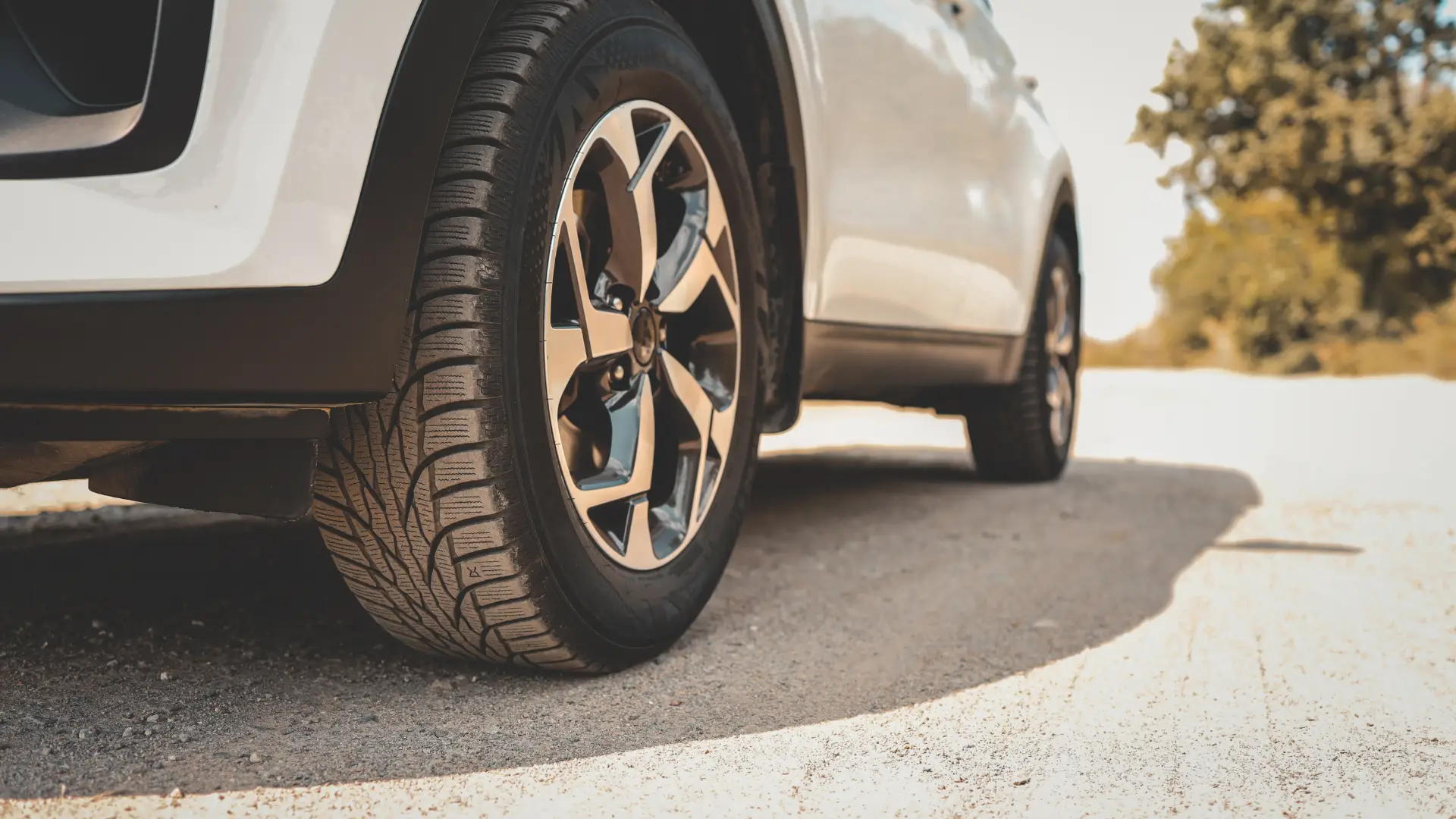
If you’re trying to decide whether to replace two tires or all four, the right answer depends on the condition of the remaining tires, the vehicle’s drivetrain, tread-depth differences, tire specifications and the reason one tire needs attention. Replacing all four is often the simplest way to keep grip and handling consistent, but there are situations where replacing one or two tires can be appropriate after the full set is inspected.
A damaged tire does not automatically mean you need four new tires. It also does not mean that installing one new tire beside a heavily worn tire is a good idea. The safest decision starts with comparing the tires already on the vehicle.
Can You Replace Just One Tire?
You may be able to replace one tire when the other three are still in good condition and the replacement closely matches them in size, type, construction, load rating, speed rating and tread depth.
The main risk is a large difference in tread depth or tire characteristics across the same axle. A brand-new tire can have noticeably more tread than the tire beside it. That difference changes the tire’s effective diameter and can also change how much grip each side of the vehicle provides in rain, hard braking or cornering.
A one-tire replacement is more likely to be considered when a relatively new tire suffers damage that cannot be repaired, such as certain sidewall damage or a serious road-hazard injury. If the other tires already have substantial wear, replacing only one may create too much difference across the set.
Before buying a single replacement, have the remaining tires measured rather than judging them by appearance. A tire can look acceptable from a few feet away while having much less usable tread than a new tire.
When Should You Replace Two Tires or All Four?
Replacing two tires can make sense when the tires on one axle are worn, damaged or no longer suitable while the other pair still has useful life and compatible specifications.
If only two tires are being replaced, the tires with deeper tread are generally installed on the rear axle. More rear grip helps the vehicle maintain stability, particularly on wet roads where a loss of rear traction can make the vehicle harder to control.
That recommendation applies even to many front-wheel-drive vehicles. It can feel intuitive to put the newest tires on the front because those wheels steer and may also drive the vehicle, but vehicle stability matters more than which axle receives engine power. Michelin Canada and Transport Canada both provide guidance supporting deeper or better tires on the rear when tire condition differs.
The existing pair should still be checked for age, uneven wear, cracking, previous repairs and sufficient tread. Replacing two tires is only useful if the two that remain are genuinely serviceable.
Why Replacing All Four Tires Is Often the Best Option
Replacing all four tires gives the vehicle the most consistent tread depth, traction characteristics and response at all four corners.
A full set also makes future tire rotation easier because all four tires begin at approximately the same stage of wear. That can help maintain more even tread wear over time when rotations are performed according to the vehicle and tire manufacturer’s recommendations.
Four-tire replacement becomes especially worth considering when:
- all four tires are approaching their wear limit;
- the tires are similar in age and condition;
- there is substantial tread-depth variation across the set;
- the exact existing tire is no longer available;
- the current tires show widespread cracking, damage or irregular wear; or
- the vehicle manufacturer specifies close matching between all four tires.
If the set is due for replacement, Superior Tire & Auto’s shop tires for your vehicle page lets you begin comparing suitable options before installation.
Why AWD and 4WD Vehicles Need Extra Attention
AWD and 4WD vehicles can be more sensitive to differences in tire diameter, so a one-tire replacement deserves extra care.
Different tread depths mean slightly different rolling circumferences. On some AWD or 4WD systems, the vehicle manufacturer limits how much variation is acceptable between tires. A replacement that falls outside that specification may cause the drivetrain to compensate continuously for differences in wheel speed. Michelin Canada specifically recommends checking the vehicle manufacturer’s requirements when replacing tires on AWD systems because permitted tread differences can vary.
There is no universal tread-depth difference that is correct for every AWD vehicle. The owner’s manual and vehicle manufacturer’s requirements should guide the decision.
This is one reason a tire inspection matters before ordering a single replacement. A technician can measure the remaining tread, confirm the tire specifications and help determine whether one, two or four tires are appropriate for that specific vehicle.
Can You Mix Different Tire Brands or Models?
Matching tires is preferable because tires that share a size on the sidewall can still have different tread designs, rubber compounds, internal construction, handling characteristics and actual dimensions.
When possible, use the same tire model and specification across the vehicle. If an exact match is unavailable, the replacement decision should consider much more than the size printed on the sidewall.
Pay attention to:
- tire size;
- load index;
- speed rating;
- seasonal type, such as winter, summer, all-season or all-weather;
- tread pattern and construction;
- remaining tread depth; and
- vehicle manufacturer requirements.
Winter tires deserve special attention. Transport Canada recommends installing winter tires in sets of four and using tires with the same type, size, speed rating and load index on all four wheels.
What If One Tire Is Damaged but the Others Still Look Good?
A damaged tire should be inspected before you assume it must be replaced. Some tread-area punctures may be repairable, while sidewall damage, bulges, deep cuts or other structural damage can require replacement. Transport Canada specifically identifies deep cuts, cracks, blisters and bulges as conditions that warrant replacement.
Next, compare the damaged tire with the other three for tread depth, age, specifications and wear.
If the damaged tire is part of a recently installed set with very little wear, a closely matched single tire may be possible. If the remaining tires are significantly worn, replacing two or four may provide a more balanced result.
The cause of the damage also matters. If the tire shows severe uneven wear rather than a one-time puncture, the vehicle may have an alignment, inflation, suspension or balancing problem. Installing a new tire without correcting the cause can lead to the same wear pattern again.
Superior Tire & Auto offers professional tire installation when replacement is required, including mounting and balancing as part of the installation process.
Check for Uneven Wear Before Buying New Tires
Uneven tread wear is a sign to diagnose the vehicle before installing another tire.
If one edge is worn much faster than the rest of the tread, or one tire looks significantly different from the others, ask why before replacing it. Improper wheel alignment, tire imbalance, incorrect inflation and worn suspension components can all contribute to irregular wear.
A wheel alignment may be worth checking if the vehicle pulls to one side, the steering wheel is off-centre or the tires are wearing unevenly. Correcting the underlying issue helps protect the replacement tires instead of allowing the same pattern to return.
Have All Four Tires Assessed Before You Decide
The number of tires you need should be based on measurements and vehicle requirements, not a blanket rule.
A useful tire assessment looks at tread depth across all four tires, tire age, visible damage, wear patterns, matching specifications, drivetrain type and the vehicle manufacturer’s guidance. That gives you enough information to decide whether one tire can be matched, two should be replaced as a pair or the full set is ready for replacement.
If you are unsure what your vehicle needs, you can find a Superior Tire & Auto location near you and have the tires inspected before making the purchase.
Frequently Asked Questions
Can I replace just one tire on my car?
Sometimes. A single-tire replacement is more reasonable when the other tires are still relatively new and the replacement can closely match their specifications and tread depth. If the remaining tires have substantial wear, replacing only one may create too much difference in grip or rolling diameter.
Do I have to replace all four tires on an AWD vehicle?
Not in every case, but AWD vehicles often have stricter requirements for matching tire circumference and tread depth. Check the owner’s manual or manufacturer guidance before replacing only one or two tires because acceptable differences vary by vehicle.
If I buy two new tires, should they go on the front or rear?
The tires with the deeper tread are generally installed on the rear axle to support vehicle stability, especially on wet roads. This approach is commonly recommended even when the vehicle is front-wheel drive.
Can I mix different tire brands if they are the same size?
The same size alone does not guarantee that two tires will behave the same way. Different models can vary in tread pattern, construction, compound, actual dimensions, load rating, speed rating and wet or winter performance, so matching tires is preferred whenever practical.
How can I tell whether uneven tire wear is caused by alignment?
Uneven wear on one edge of the tread, a vehicle that pulls to one side or an off-centre steering wheel can point to an alignment issue. Similar wear can also be related to inflation, balancing or suspension problems, so an inspection is the best way to identify the cause.