Understanding a safety certificate vs. pre-purchase inspection in Ontario can prevent a costly misunderstanding when buying a used vehicle. A Safety Standards Certificate confirms that the vehicle met Ontario’s minimum safety requirements when it was inspected. A pre-purchase inspection provides a broader assessment of its present mechanical condition and possible repair needs.
The two inspections can overlap, but they do not answer the same question.
A safety inspection asks whether the vehicle meets prescribed safety standards. A pre-purchase inspection asks whether the vehicle appears to be a sound purchase and what expenses may be waiting for the next owner.
What Does an Ontario Safety Standards Certificate Confirm?
A Safety Standards Certificate confirms that a vehicle passed an inspection based on Ontario’s prescribed minimum safety standards. It is commonly required when transferring ownership of a used vehicle and registering it as fit.
The inspection covers safety-related areas such as brakes, steering, suspension, tires, wheels, lights, glass, wipers, structural components and other regulated items. The exact requirements are established by Ontario’s Passenger/Light-Duty Vehicle Inspection Standard.
A certificate can only be issued through an Ontario Vehicle Inspection Centre licensed to provide the applicable inspection.
Passing the inspection is valuable, but the certificate is not a warranty. It does not promise that the vehicle will remain reliable, require no maintenance or avoid future repairs.
What Does a Safety Certificate Not Guarantee?
A safety certificate does not provide a complete forecast of the vehicle’s mechanical life. A component may meet the minimum standard today while still being worn enough to require service in the near future.
For example, brakes and tires may pass but have limited usable life remaining. The engine may have an oil leak that does not prevent certification. The transmission may shift poorly under certain conditions, or the air conditioning may not work correctly.
The certificate also does not tell you whether the previous owner followed the manufacturer’s maintenance schedule. It may not answer questions about recurring warning lights, oil consumption, intermittent electrical problems or the cost of upcoming maintenance.
Ontario itself describes the certificate as proof that the vehicle met minimum safety standards on the date it was issued, not as a warranty or guarantee of the vehicle’s condition.
How Is a Pre-Purchase Inspection Different?
A pre-purchase inspection is intended to help a buyer understand the vehicle before completing the purchase. Its purpose is not limited to certification requirements.
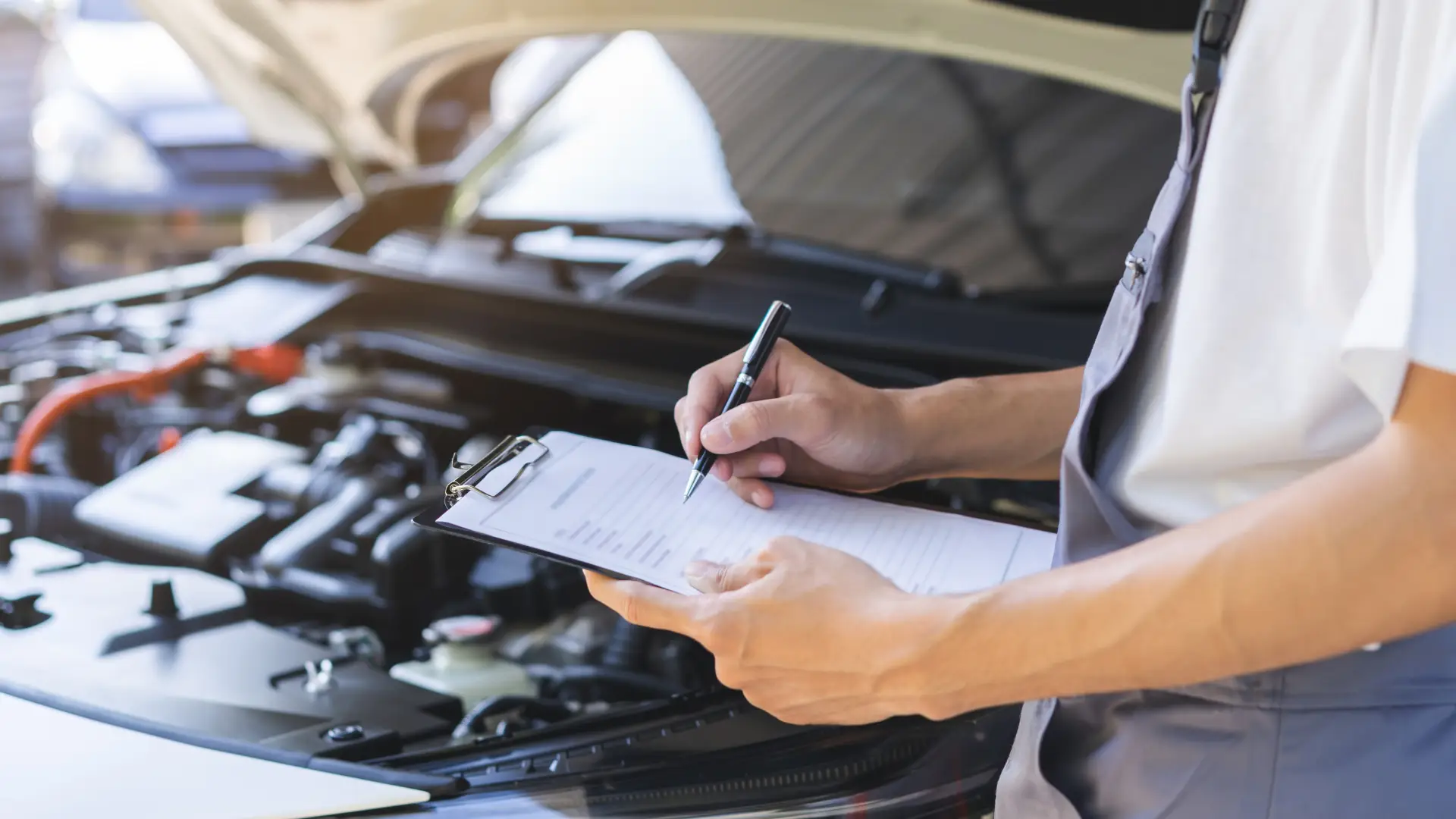
During a thorough independent pre-purchase vehicle inspection, a technician can examine the vehicle’s mechanical, safety and general operating condition. The inspection may include a road test, underbody inspection, fluid assessment, diagnostic scan and review of wear items.
The technician may look for:
- Fluid leaks or signs of previous leakage
- Uneven tire wear or wheel alignment concerns
- Brake wear and remaining service life
- Suspension and steering looseness
- Warning lights and diagnostic trouble codes
- Battery and charging-system condition
- Cooling-system concerns
- Exhaust damage or corrosion
- Signs of collision repair or underbody damage
- Overdue or upcoming maintenance
The result should give the buyer a clearer picture of what the vehicle needs now and what it may need soon.
Do You Need a Pre-Purchase Inspection If the Car Is Certified?
A pre-purchase inspection is still advisable when a used vehicle already has a valid safety certificate. Certification confirms minimum roadworthiness, while the independent inspection helps evaluate value, reliability and foreseeable ownership costs.
Consider a vehicle that passes with tires or brake components still within the allowable standard. The buyer may legally register it, but could face replacement costs shortly after taking ownership.
The same applies to problems outside the main scope of the safety certificate. Weak air conditioning, poor maintenance history, a minor fluid leak or an intermittent check-engine light can affect the buying decision even if the vehicle can be certified.
Spending a relatively small amount on an inspection can provide information that helps you proceed confidently, renegotiate the price or walk away.
What Should Be Inspected Before Buying a Used Vehicle?
The inspection should evaluate more than the vehicle’s appearance. Clean paint and a detailed interior do not reveal the condition of the engine, transmission, brakes or suspension.
A technician should inspect the vehicle on a lift whenever possible. This provides a better view of leaks, corrosion, exhaust components, structural areas, steering parts and suspension components.
A road test is also useful. It may reveal vibration, pulling, unusual noises, delayed shifting, poor braking or steering behaviour that is difficult to detect while the vehicle is parked.
Computerized vehicle diagnostic testing can identify stored fault codes and monitor status. However, a diagnostic scan should support the physical inspection rather than replace it. A vehicle can have serious wear without storing a trouble code.
What If the Vehicle Is Being Sold As-Is?
An as-is vehicle is being offered without a promise that it will pass a safety inspection. The buyer may be responsible for arranging repairs and obtaining the necessary certification before the vehicle can be registered as fit.
This creates additional risk because the cost of certification repairs is unknown. A low purchase price can quickly become less attractive when the vehicle needs tires, brakes, suspension work, structural repair or other service.
Before agreeing to an as-is purchase, arrange an inspection and request a written summary of the findings. You can then compare the expected repair cost with the vehicle’s price and market value.
Who Should Choose the Mechanic?
The buyer should ideally choose an independent repair facility that does not have a financial interest in completing the sale. This allows the technician to focus on the vehicle’s condition rather than whether the transaction proceeds.
Ask the seller for permission to bring the vehicle to the repair shop or arrange for the seller to accompany you. A reasonable seller should understand why a buyer wants an independent opinion.
A refusal does not automatically prove that something is wrong, but it does remove an important opportunity to verify the vehicle. That increased uncertainty should factor into your decision.
How to Use the Inspection Results
An inspection report is not simply a pass-or-fail document. It is a decision-making tool.
Separate the findings into immediate safety concerns, repairs needed soon and routine maintenance. Ask which issues could become more expensive if delayed and whether any findings suggest deeper problems.
You can use the information to:
- Proceed with the purchase as offered
- Request that the seller complete specific repairs
- Negotiate the purchase price
- Budget for upcoming maintenance
- Decide that the vehicle carries too much risk
The goal is not to find a flawless used vehicle. It is to understand what you are buying before you become responsible for it.
Arrange an Inspection Before You Commit
Used vehicles can offer excellent value, but their condition can vary widely. A current safety certificate is helpful, but it should not replace an independent evaluation chosen by the buyer.
Superior Tire & Auto provides both Ontario motor vehicle inspection services and pre-purchase inspections. Having the vehicle inspected before money changes hands gives you more options. Once the sale is complete, any undiscovered repair costs usually become your responsibility.
Frequently Asked Questions
How long is an Ontario Safety Standards Certificate valid?
An Ontario Safety Standards Certificate is generally valid for 36 calendar days after the inspection. The ownership transfer and registration process should therefore be completed before it expires.
Can a car pass a Safety Inspection and still need repairs?
Yes. A car can meet minimum safety requirements while still needing maintenance or repairs that are not required for certification. It may also have parts that pass today but are approaching the end of their useful life.
Who normally pays for a Pre-Purchase Inspection?
The prospective buyer usually pays because the inspection is being completed for the buyer’s benefit. The seller must still agree to make the vehicle available for the inspection.
Should I buy a car If the seller refuses an inspection?
Refusing an inspection creates additional risk because you cannot independently verify the vehicle’s condition. Unless there is a reasonable alternative, buyers should be cautious about completing the purchase without an independent assessment.
Is a dealer inspection the same as an independent inspection?
Not necessarily. A dealer may inspect or recondition its own inventory, but an independent technician works directly for the buyer. Having your own inspection can provide another perspective before you commit.