
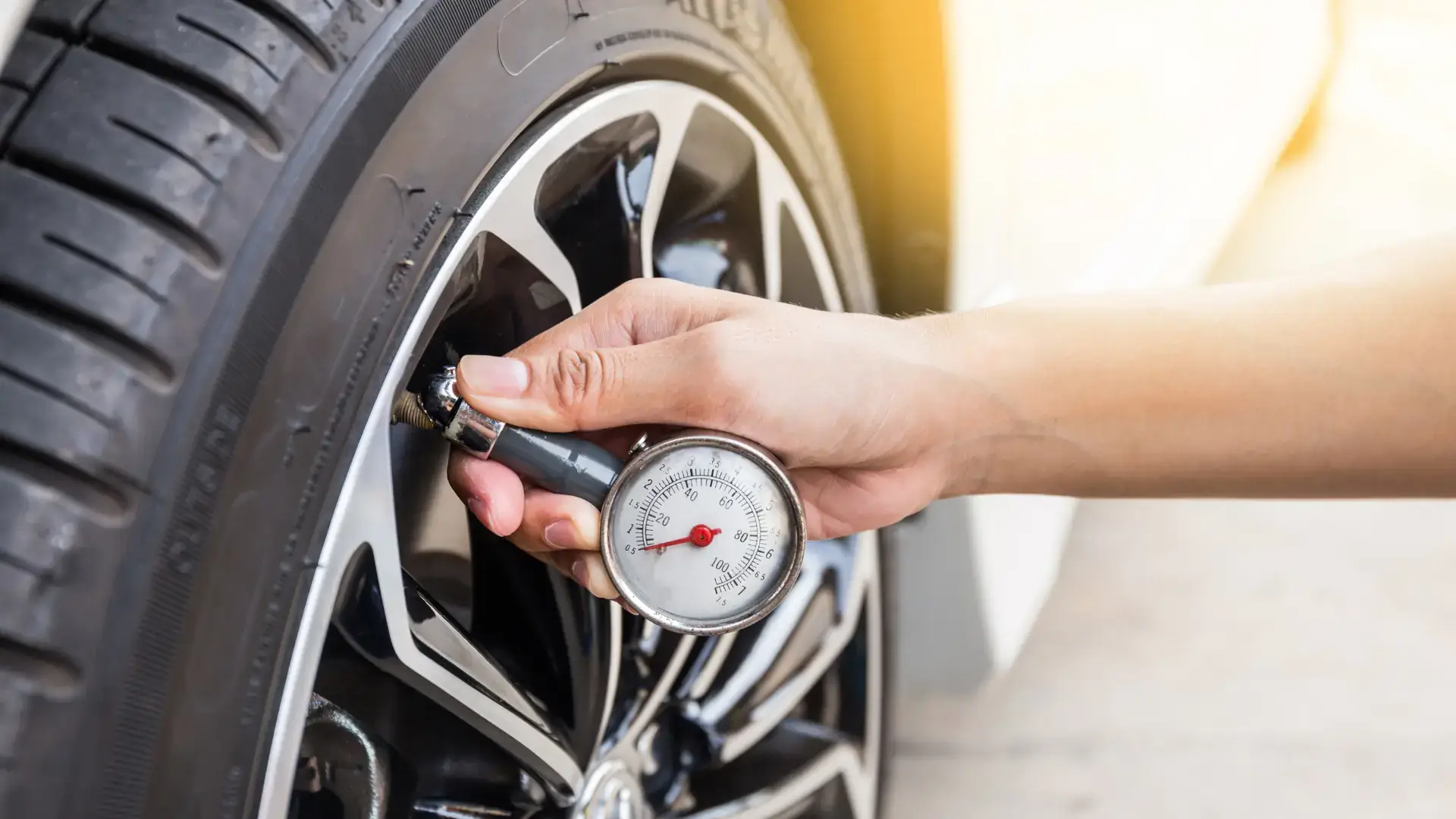
Once spring settles in, most Ontario drivers are ready to get their winter tires off and move on. But the job is not really finished once the all-seasons or summers are back on. What you do next matters too. Proper storage helps protect the tires you just took off, and a quick TPMS check can save you from driving around with a warning light you should not ignore.
As Superior Tire & Auto explains in When to Get a Tire Change a good rule is to swap out winter tires once daily temperatures are consistently above 7°C. Once that changeover is done, it is worth taking a few extra minutes to make sure your off-season tires are stored properly and your monitoring system is working the way it should.
Why Proper Tire Storage Matters More Than People Think
A lot of drivers treat off-season tires like garage clutter. They get stacked in a corner, left outside under a tarp, or shoved against a wall and forgotten until fall. The problem is that poor storage can shorten tire life, affect performance, and leave you dealing with unnecessary wear when it is time to reinstall them.
That is one reason professional tire storage is worth considering. Superior Tire & Auto notes that proper seasonal storage helps protect tires from temperature swings and moisture, while also keeping them clean, dry & secure, and ready for the next swap.
This is also a good time to look for uneven wear, cuts, sidewall damage, or anything that seems off after a rough winter. In The Essential Car Maintenance Checklist, Superior Tire & Auto highlights spring as the right time to inspect for pothole damage, such as cracks or sidewall bubbles. That makes this the perfect moment to catch a problem before those tires go back on later in the year.
Label Them So Rotation Is Easier Later
If you are storing a full set, label each tire by position before putting it away. Front left, front right, rear left, rear right. It is a simple step, but it makes the next seasonal swap easier and gives your technician a clearer starting point when checking wear patterns.
This is especially helpful if one tire wore faster than the others during winter. Patterns like that can tell you something about inflation, alignment, or suspension wear, and they are easier to track when the tires are marked properly.
Choose the Right Storage Conditions
Rubber does best in a cool, dry, stable environment. That means away from direct sunlight, away from heat sources, and away from damp corners where moisture can build up. A hot shed, a sunny balcony, or an exposed outdoor space is not doing your tires any favours.
If you do not have the right setup at home, tire storage is a practical option. It frees up garage space and helps make sure your winter tires stay in better condition until the cold weather returns.
Do Not Ignore Your TPMS After a Seasonal Swap
Spring tire season is also when a lot of drivers suddenly notice a warning light on the dashboard. That light often points to your TPMS, which stands for Tire Pressure Monitoring System. Its job is to alert you when tire pressure is too low or when something is not reading properly.
Superior Tire & Auto’s TPMS service page explains that this system helps monitor tire pressure in real time and can support tire life, fuel efficiency, and overall safety. If the light comes on right after a swap, do not assume it is nothing. It could be a simple pressure issue, but it could also mean a sensor needs attention.
Check Pressure Again After the Swap
Even when everything looks fine, spring temperature swings can affect tire pressure more than people expect. A vehicle that feels completely normal one week can trigger a TPMS alert the next if the pressure drops enough overnight.
That is why it helps to build a simple habit after changeover season. In How to Make Your Car Last Longer, Superior Tire & Auto recommends checking tire pressure once a month, especially as spring temperatures rise. It is a small step, but it helps catch issues early and keeps your tires wearing more evenly.
A Smooth Spring Drive Starts With the Details
Swapping winter tires is one of those jobs that feels finished the moment the new set goes on. In reality, the follow-up matters just as much. Clean storage helps protect the tires you invested in, and a working TPMS helps make sure the set now on your vehicle is performing the way it should.
If you have already made the seasonal switch, now is the time to finish the job properly. Book an appointment with a Superior Tire & Auto near you for tire storage, a TPMS check, or any spring tire service that helps keep your vehicle ready for the road ahead.
FAQs
How should I store winter tires after swapping them off?
They should be cleaned first, allowed to dry fully, and kept in a cool, dry place away from direct sunlight and heat. If you do not have a good space at home, professional storage can help protect them during the off-season.
Why did my TPMS light come on after changing tires?
Sometimes the tire pressure needs adjustment after the swap. In other cases, the system or one of the sensors may need to be checked. If the light stays on, it is worth having it inspected.
Do winter tires need to be inspected before storage?
Yes. Spring is a smart time to check for uneven wear, cracks, sidewall damage, or signs of pothole impact before the tires are stored away.
Is spring a good time to check tire pressure even after a swap?
Yes. Temperature changes in spring can affect tire pressure quickly, which is why it is a good idea to recheck it after your seasonal changeover and keep an eye on it regularly.