
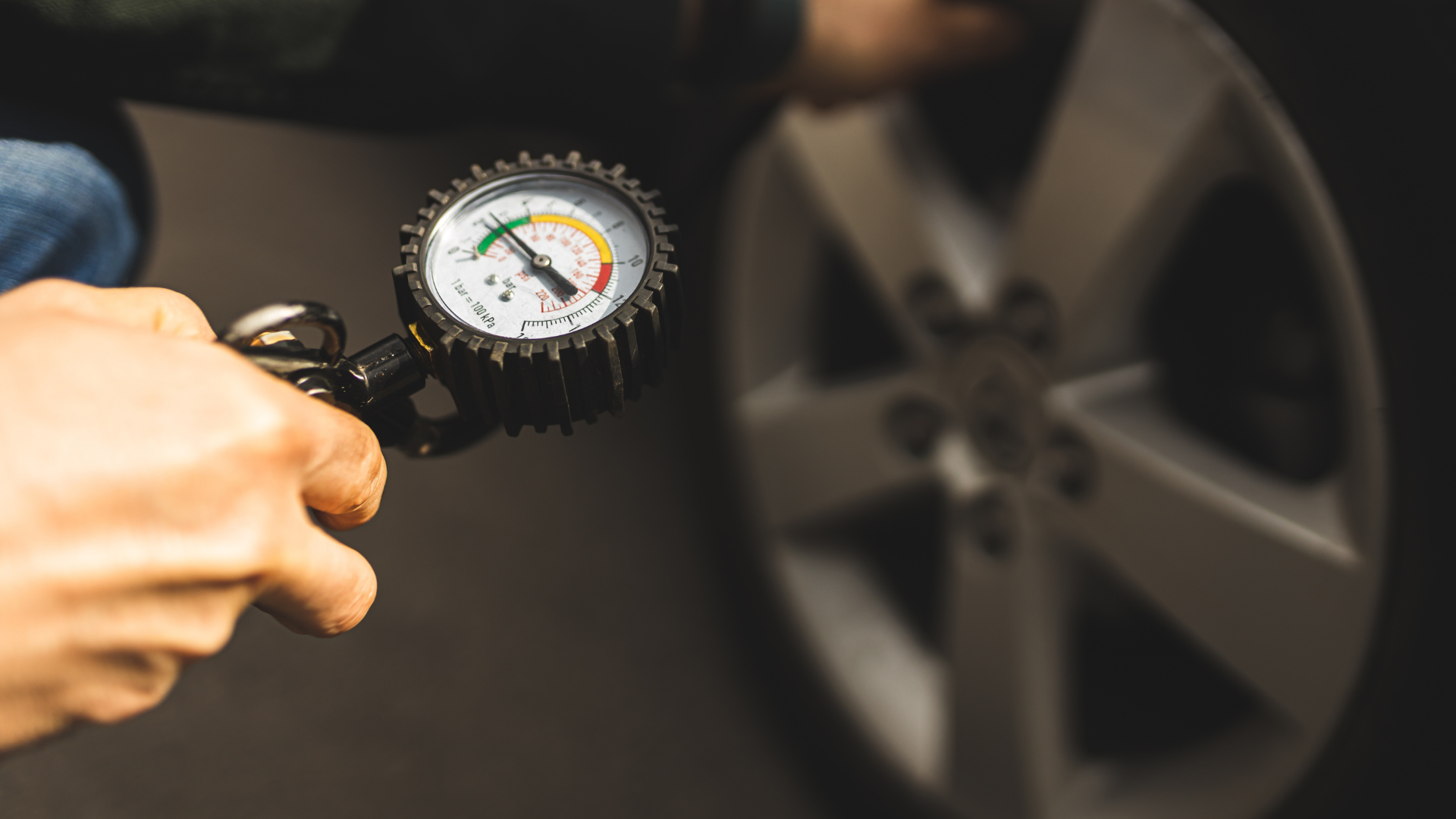
Most drivers think about tire pressure when the warning light comes on. Until then, the tires look fine, the vehicle feels normal, and there are more urgent things to worry about.
But summer is exactly when tire pressure deserves a closer look.
Warm weather, hot pavement, heavier highway driving, and weekend road trips can all change how your tires perform. The pressure inside your tires can shift with temperature, and small problems like uneven wear, slow leaks, and poor alignment can become more noticeable once you start driving longer distances.
At Superior Tire & Auto, tire maintenance isn’t just about replacing tires when they’re worn out. It is about helping drivers get better safety, better handling, and more life out of the tires they already have.
Why Summer Heat Changes Tire Pressure
Air expands as it warms up. That means tire pressure can read higher after the vehicle has been sitting in the sun or after a long drive on hot pavement. The opposite can also happen overnight when temperatures cool down.
That’s why tire pressure should be checked when the tires are cold, ideally before you drive or after the vehicle has been parked for a while. A hot tire reading can make it look like pressure is higher than it really is under normal conditions.
This matters because both underinflation and overinflation can affect performance. Low pressure can increase heat buildup, reduce fuel efficiency, and cause outer-edge wear. Too much pressure can reduce the tire’s contact with the road and make the ride feel harsher.
For Ontario drivers dealing with warm afternoons, cooler mornings, and summer highway trips, a quick pressure check can prevent a lot of guesswork.
The TPMS Light Should Not Be Ignored
A tire pressure monitoring system, or TPMS, is designed to alert you when tire pressure is outside the safe range. Some drivers ignore the light if the vehicle still feels normal. That can be risky.
The light may point to low pressure, a slow leak, a damaged sensor, or a pressure change caused by temperature swings. It may also appear after a seasonal tire change if the system needs attention.
Superior Tire & Auto’s blog on Swapped Your Winter Tires? How To Store Them Properly And Check Your TPMS This Spring makes a helpful point: the job is not always finished once the tires are changed. Checking the monitoring system is part of making sure the vehicle is ready for the season ahead.
If your TPMS warning light stays on, flashes, or keeps returning, book a TPMS service so the tire pressure and system can be inspected properly.
Long Drives Put More Stress On Tires
Summer is road-trip season. Whether you’re heading to the cottage, driving to Barrie, visiting family across the GTA, or spending more time on the highway, your tires are working harder than they do on short city trips.
Long drives generate heat. Add a full vehicle, luggage, passengers, construction zones, rain, or rough pavement, and your tires have even more to manage.
Before a longer drive, check the pressure, look at the tread, and scan the sidewalls for cuts, cracks, bulges, or embedded objects. A slow leak that seems minor during short errands can become a much bigger problem on the highway.
If you are unsure whether your current set is still right for the season, Superior Tire & Auto can help you compare your options for summer tires Toronto drivers can rely on for warm-weather handling and wet-road performance.
Uneven Wear Is A Warning Sign
Tire pressure is only one part of the story. Uneven tread wear can point to alignment issues, worn suspension parts, improper inflation, or tires that have not been rotated often enough.
Take a quick look across each tire. If the inside or outside edge is wearing faster, if one tire looks more worn than the others, or if you notice cupping or patchy wear, it is time to have it checked.
Superior Tire & Auto’s post on Pothole Season In Ontario explains how rough winter roads can leave vehicles pulling, vibrating, or wearing tires unevenly once the snow clears. By summer, those alignment problems can start costing you tread life.
A tire can still hold air and look acceptable from a distance while wearing incorrectly. The sooner you catch it, the better chance you have of protecting the full set.
Tire Rotation Helps Tires Last Longer
Your front and rear tires do not always wear at the same rate. Steering, braking, vehicle weight, drivetrain type, and driving habits all affect tread wear.
That is why regular tire rotation matters. It helps even out wear patterns and can extend the usable life of your tires. Superior Tire & Auto’s older blog on making your car last longer also notes that tire rotations, pressure checks, and balancing help protect not only the tires, but the vehicle’s handling and suspension over time.
If it has been a while since your last rotation, or if you are not sure when it was done, a tire rotation service is a practical step before heavier summer driving.
Pressure Checks Can Help Fuel Efficiency
When tires are underinflated, the vehicle has to work harder to move. That can reduce fuel efficiency and make the tires run hotter than they should.
With gas prices always on drivers’ minds, tire pressure is one of the easiest things to check. It does not require a major repair, and it can make the vehicle feel better on the road.
It is a simple habit: check pressure once a month, before longer trips, and whenever the TPMS light comes on. Use the pressure listed on the driver’s door placard or in the owner’s manual, not the number printed on the tire sidewall.
When To Book A Tire Inspection
Book a tire inspection if your TPMS light is on, your vehicle pulls to one side, the steering wheel vibrates, tire pressure keeps dropping, or you see cracks, bulges, punctures, or uneven wear.
You should also book before a long summer drive if the tires are older, close to the wear bars, or have already been through a rough winter and pothole season.
Superior Tire & Auto can check tire pressure, tread depth, wear patterns, alignment concerns, TPMS issues, and whether your current tires are still right for the way you drive.
Summer driving should feel smooth, safe, and predictable. A quick tire check can help keep it that way.
FAQs
Does hot weather increase tire pressure?
Yes. Tire pressure can rise as air inside the tire warms up. That is why pressure should be checked when tires are cold for the most accurate reading.
How often should I check tire pressure in summer?
Check tire pressure at least once a month and before any longer road trip. You should also check it if the TPMS light comes on or if the vehicle feels different while driving.
Why is my TPMS light on when my tires look fine?
A tire can be low even if it does not look flat. The light may also point to a slow leak, pressure changes from temperature swings, or a sensor issue.
Should I rotate my tires before a summer road trip?
If your tires have not been rotated recently, it is a good idea. Rotation helps even out tread wear and gives a technician a chance to inspect the set before longer driving.
Can tire pressure affect fuel economy?
Yes. Underinflated tires can increase rolling resistance, which means the engine has to work harder. Proper tire pressure can help support fuel efficiency, handling, and tire life.